

The last few years gave employers a taste of how onboarding new starters remotely can speed up their hiring.
At the start of the pandemic, the Home Office amended the guidance on right to work checks, allowing them to be performed via a video call. The temporary adjustment came after employers couldn’t physically check a candidate’s ID document to prove they could work in the UK.
This workaround became incredibly popular, with HR and recruitment teams noticing increased efficiency, people getting into jobs faster and reduced recruitment times.
After heavy lobbying from the recruitment industry and employers, the Home Office updated right to work guidance, making digital ID checks a permanent option from the 6th of April 2022.
The new scheme falls under the DCMS’s (Department of Culture, Media and Sport) Identity and Attributes Trust Framework. This framework sets the rules and standards for organisations to carry out secure, trustworthy, and consistent digital identity checks.
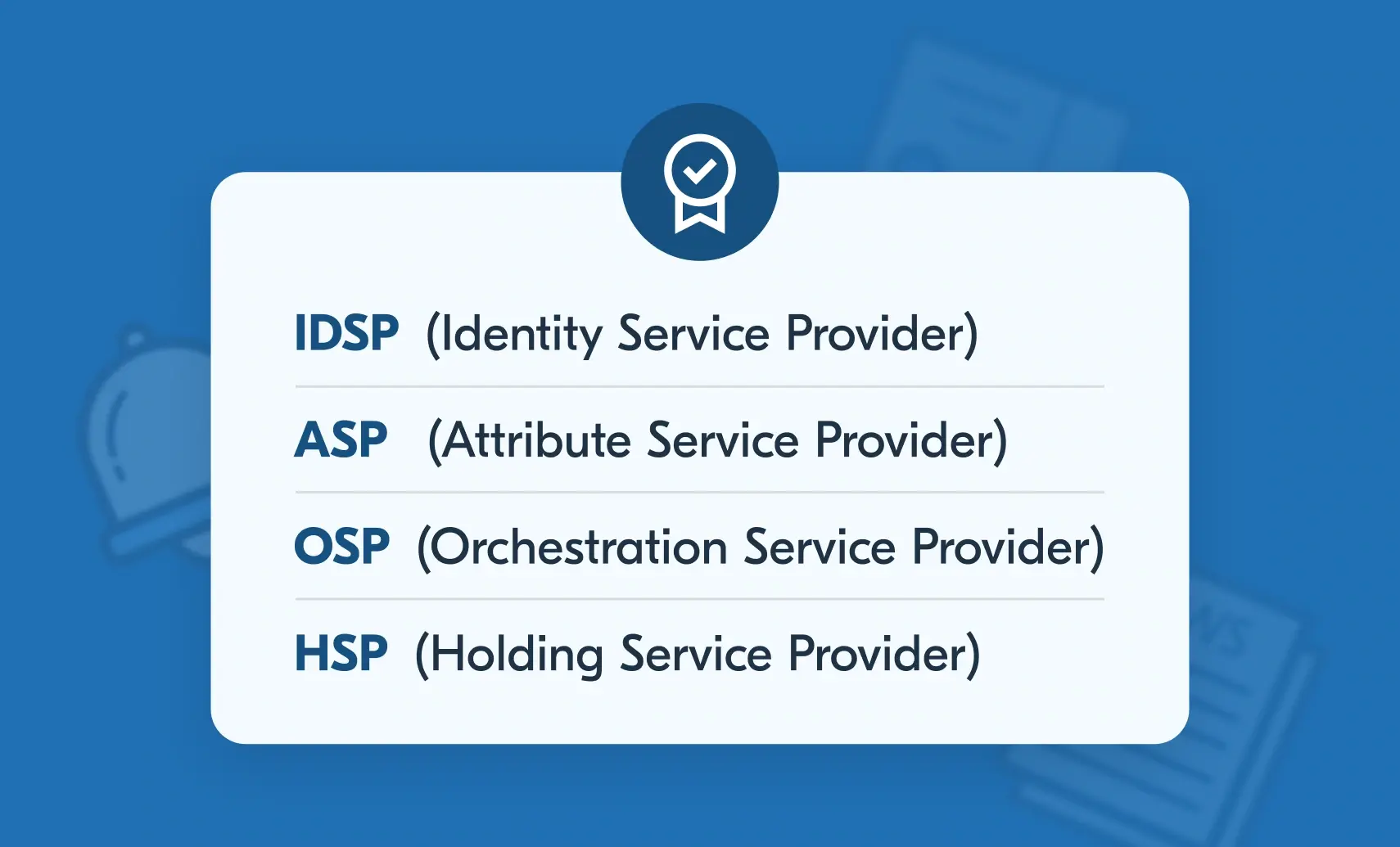
Employers can now use a certified digital identity service provider (IDSP) to digitise their ID checking process for right to work and DBS under this new framework.
Despite this, challenges still exist, with some finding it difficult to determine if digital ID verification is truly the most cost-effective option for them. If you are undecided, here are five reasons why it’s time to embrace digital right to work checks in the pre-employment screening process.
Avoid penalties and get better compliance
A right to work check is necessary for all employees in the UK but many businesses see these checks as a simple box-ticking exercise.
Unwittingly employing someone who doesn’t have the legal ability to work can have financial and reputational costs for a business. If a company is found guilty, it can be fined £20,000 for each illegal worker.
However, being more diligent with checks has economic and social benefits, helping protect employees’ rights and preventing the exploitation of individuals.
It can also help shield your employees, operations and reputation from damages.
Protect your business against recruitment fraud
For many, “fraud” is not necessarily something they believe can occur in recruitment. It’s typically associated with stolen credit cards or personal information used for forged credit card charges or illicit bank withdrawals.
But recruitment fraud is a big problem both in the UK and internationally.
A report by Crowe, in association with the University of Portsmouth, discovered that 80 per cent of 5,000 CVs checked included false information.
Additionally, fake IDs being used to gain employment is a significant issue. The report uncovered that one organisation was providing over 3,000 counterfeit documents to people in the UK.
It’s not just CVs and IDs being faked but certificates of qualifications too. In 2021 alone, Cifas members reported 226,000 instances of Identity Fraud to the National Fraud Database, and 39 per cent of filings made to the Internal Fraud Database were for false employment applications where the applicant had falsified their application which can include false qualifications.
Employing a fraudulent candidate is a widespread issue that can affect any legitimate business. A mis-hire can not only be costly but can negatively impact company culture, reputation and customer relationships.
Using a digital ID verification process is an easier and safer way to prove a new starter can legally work, and gives your HR and admin teams confidence that a candidate’s documents are genuine. That’s why making more robust checks a priority, with the help of an ID verification expert, can significantly reduce your exposure to data breaches and fight against identity theft.
Safeguard employees’ personal information
Current onboarding methods (seeing a new starter’s ID and gaining a photocopy) are time-consuming and can create a mountain of paperwork..
The chances of human error are also vastly increased. Checking an ID to determine its authenticity, and whether it’s tampered with or a fake, can be an intense process. Having HR and admin teams do the process manually also doesn’t guarantee accuracy every time – after all, it’s not their job to be fraud experts.
Digital ID verification strengthens the process by supporting teams with a higher level of security and is much faster for new starters. They just take a photo of the front and back of their ID and then a selfie to verify their identity in real-time, saving valuable onboarding time. It also stops HR and admin teams from handling and storing sensitive information unsafely.
Increase your talent pool
HR and admin teams are seeking to embrace more automation in their recruitment and hiring processes, to help them reach more talent where the competition is high and provide a better candidate experience.
Digitising right to work checks can help streamline the vetting process while ensuring that accurate hiring decisions are made. It allows you to reach a broader pool of applicants and removes geographic barriers to employment – people can prove their identity from any part of the country.
Improve your hiring efficiency
Partnering with an expert in digital ID verification can help you reach your growth objectives. A certified digital identity service provider (IDSP) can support HR teams in successfully hiring and onboarding at scale.
Yoti and Post Office are the UK’s first certified digital identity service providers (IDSP). With our expertise in digital identity and Post Office’s vast experience helping people prove and manage their identity, we’re no ordinary IDSP.
Our Digital ID and Post Office Easy ID app, Identity Verification service, and In-Branch Verification with the Post Office are the most comprehensive services available.
Digital ID and Post Office Easy ID app
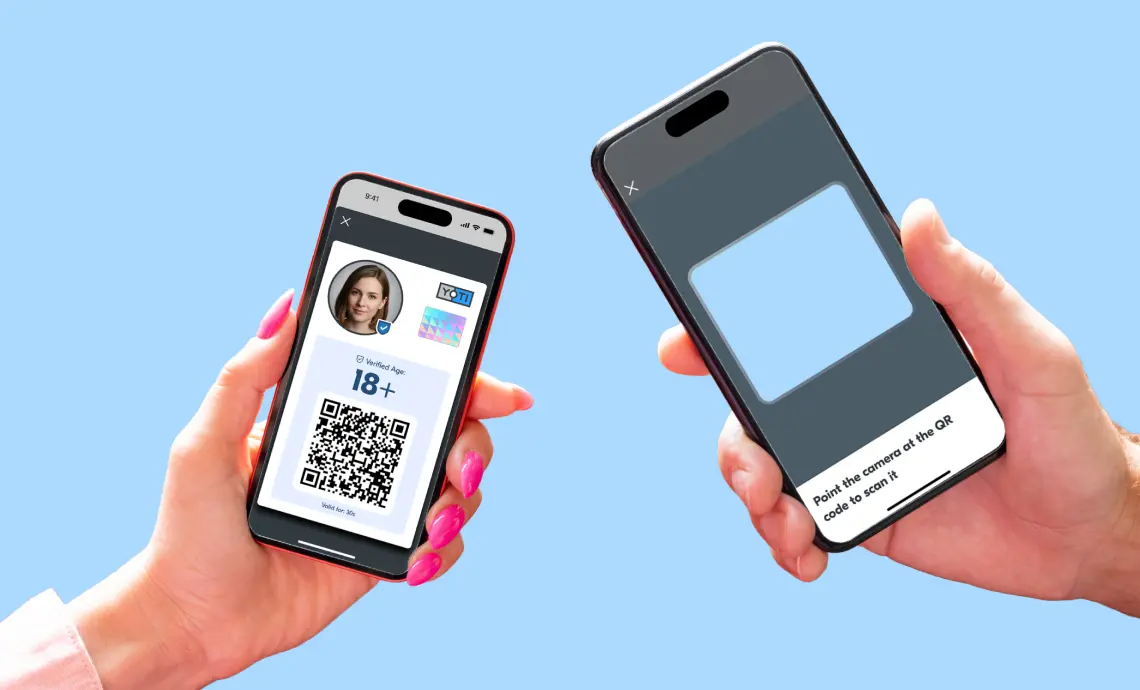
The Yoti and EasyID app empower those who need to change jobs frequently with a reusable digital ID on their phone. They only need to verify their identity once with us. Afterwards, they can easily share their pre-verified identity details with a new employer.
Identity verification service
Embed our Identity verification service into your website or app to quickly onboard new starters with just an ID document and a selfie.
In branch verification service
Those who would prefer to receive human assistance can have their documents scanned and verified at a Post Office using our In-Branch verification service.
With our three inclusive approaches, employers can help people complete ID verification for right to work and DBS checks in a more accessible, convenient way.
We’re ready to change the game.
It’s time to embrace a better approach. It’s time to go digital.