MyFace AI
 Articles Jan 27, 2026
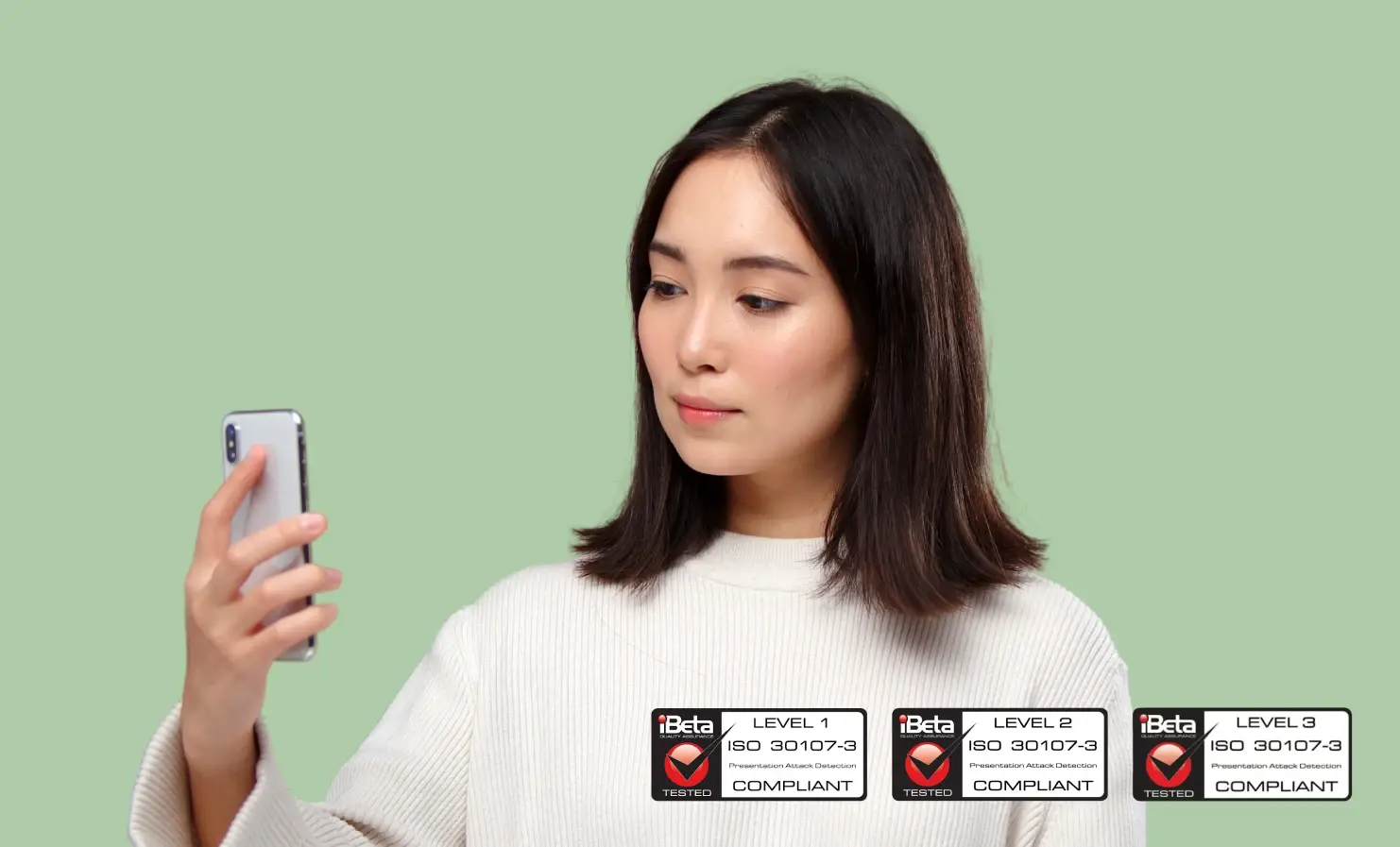
Yoti is the first in the world to meet iBeta’s highest liveness standard for presentation attack detection
Liveness checks are everywhere online. They give the same reassurance as a face-to-face age or identity check: that the person on the other side is real. They sit behind how people open accounts, access services and prove who they are (or how old they are). They also stop bots and bad actors from creating fake accounts, be that on dating sites where people are tricked into relationships with someone who doesn’t exist, or on ticketing sites where bots snap up all the best seats to resell at a profit. Because liveness checks sit right at the front of these

 Articles Jan 22, 2026
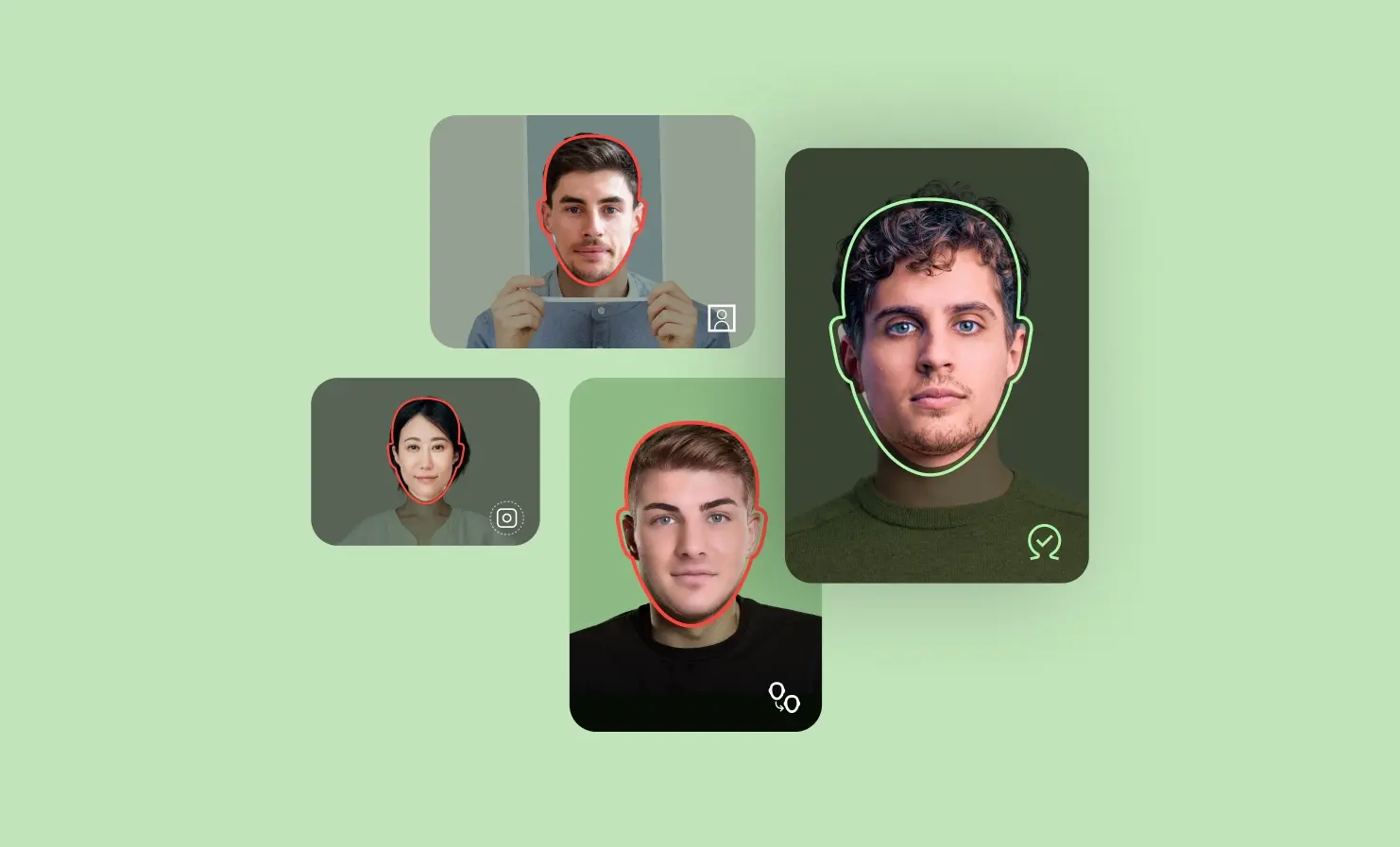
What are liveness checks and why do they matter?
A lot of life happens online now. You can open a bank account from your sofa. Start a new job without meeting anyone in person. Prove your age with a selfie. Interact on gaming platforms. Use a dating site. Rent a flat. Meet people you’ve never seen in real life. But all of these things only work if one thing is true: there’s a real person on the other side of the screen. When that assumption holds, things feel easy. When it doesn’t, people lose money, accounts get taken over, services grind to a halt and trust disappears fast.

 Articles Jan 15, 2026
How we build our AI models
At Yoti, AI is not a general-purpose experiment. Instead, it is a set of purpose-built tools embedded directly into our identity, authentication and age verification products, designed to deliver secure decisions quickly while not collecting or processing unnecessary data. Rather than using large, general-purpose AI systems, we build and deploy small, specialised models that each solve a clearly defined problem. This approach gives our customers stronger security, better privacy outcomes, faster performance and greater confidence in how decisions are made. How do our AI-based checks work? At Yoti, our approach is to use multiple models to perform very

 Articles Oct 30, 2025
Yoti’s latest MyFace model re-certified with a perfect score for NIST Level 1 and Level 2 liveness detection
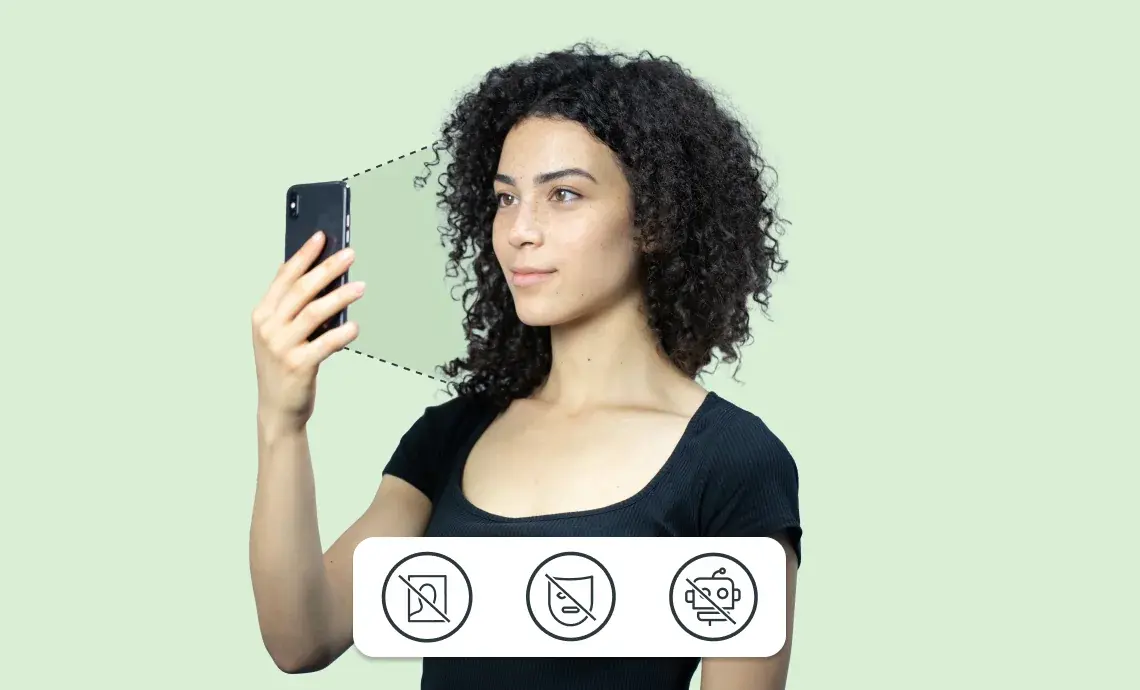
We are delighted to announce the results of the most recent testing of our latest liveness technology, MyFace. Working with iBeta, a NIST certified testing lab, Yoti’s latest liveness detection model was tested to be compliant with ISO/IEC 30107-3 standards. For both NIST level 1 and level 2, Yoti MyFace achieved: 100% detection of attack (0% false positives) 100% approval for genuine presentations (0% false negatives) NIST provides a framework for testing performance levels of liveness detection. Yoti’s passive liveness technology does not require any action from the user and works from a single selfie. Users do not need
 Articles Jul 12, 2024
How facial biometric verification protects your customers from identity fraud
Back in the day, identity theft mostly involved fraudsters stealing personal information, such as credit card details, to commit fraud or impersonate others in person. It was a pretty straightforward game of cat and mouse between scammers and a business, typically carried out face-to-face. As the world has become more digitised, identity fraud has evolved to meet this digital world. One powerful solution in our arsenal against biometric frauds is biometric verification. Let’s dive into what it is, how it works, and why it’s crucial for keeping your customers and online community safe. What is identity fraud? Identity