
Liveness detection
 Articles Feb 13, 2026
The evolution of presentation attack detection trends in 2025
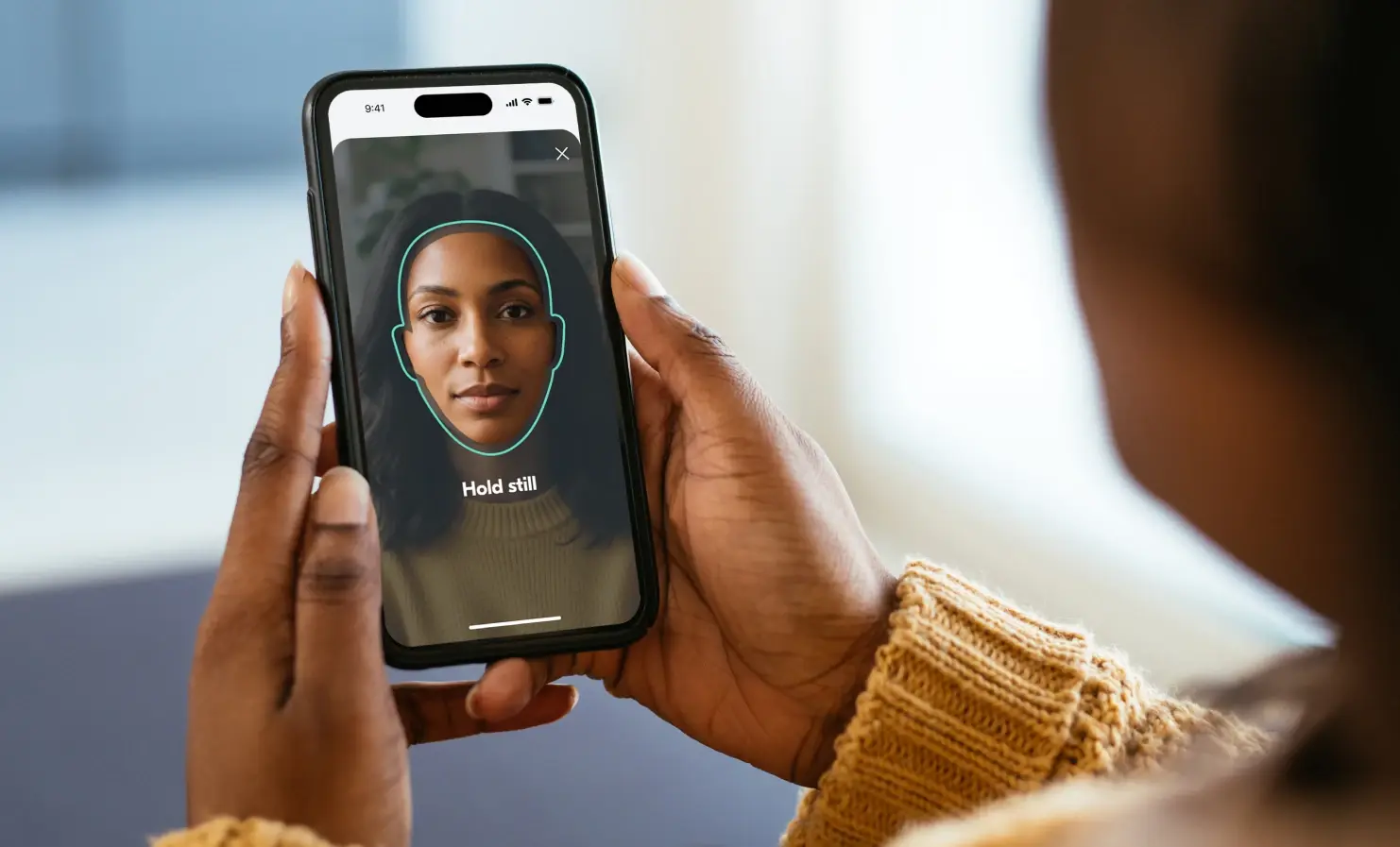
At Yoti, we perform millions of checks every week for our clients. A critical element of a robust check (whether that’s for age assurance, identity verification, digital IDs or authentication) is liveness detection, also known as Presentation Attack Detection (PAD). The purpose of liveness detection is simple but essential. It makes sure that the person being verified is physically present in front of the device camera in real time. Without liveness, checks are vulnerable to basic fraud attacks (such as using printed photos or screen replays) and more sophisticated AI attacks (like AI clones). For organisations relying on digital

 Articles Jan 27, 2026
Yoti is the first in the world to meet iBeta’s highest liveness standard for presentation attack detection
Liveness checks are everywhere online. They give the same reassurance as a face-to-face age or identity check: that the person on the other side is real. They sit behind how people open accounts, access services and prove who they are (or how old they are). They also stop bots and bad actors from creating fake accounts, be that on dating sites where people are tricked into relationships with someone who doesn’t exist, or on ticketing sites where bots snap up all the best seats to resell at a profit. Because liveness checks sit right at the front of these