
Age checks
 Articles Feb 05, 2026
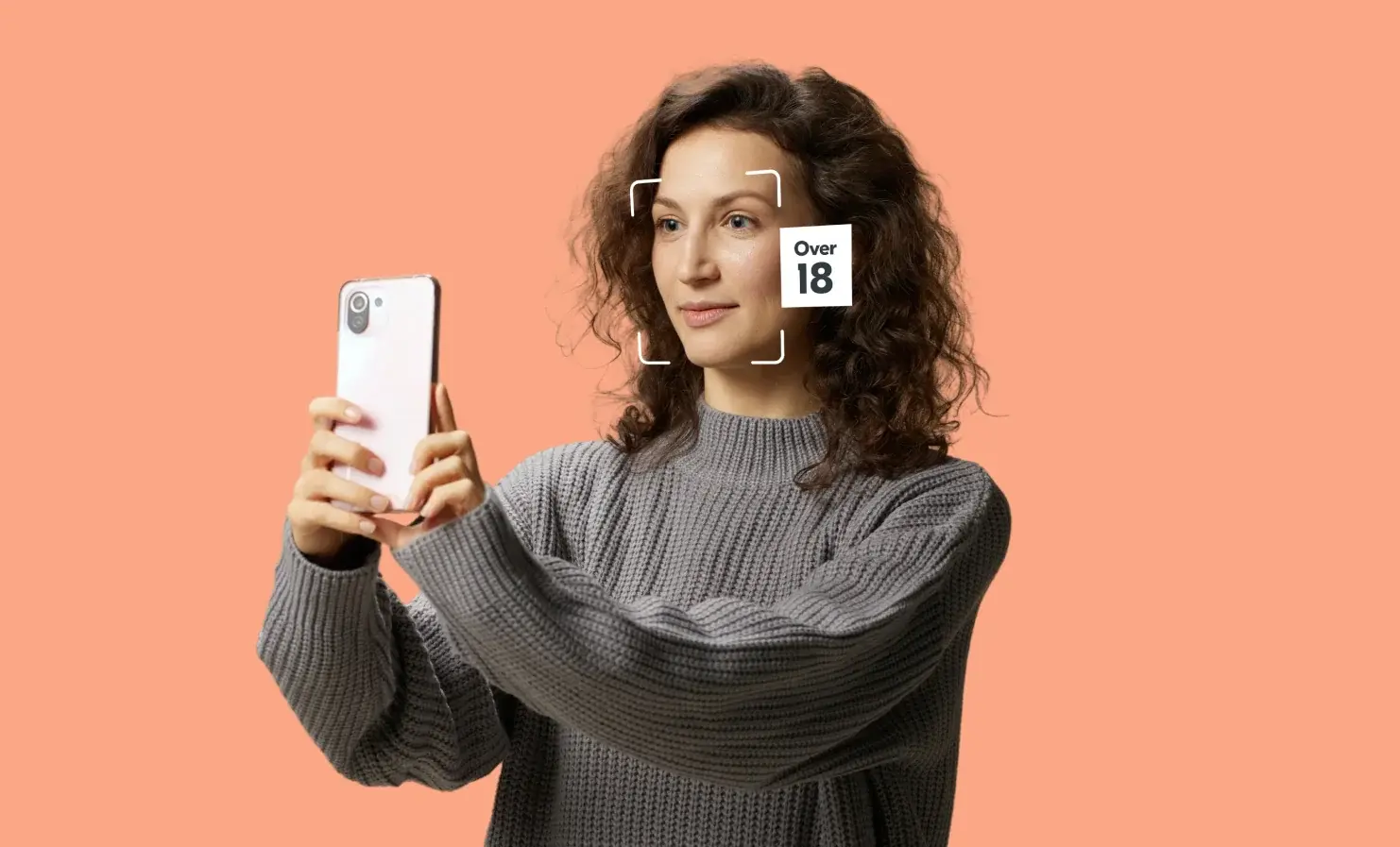
Yoti facial age estimation - newest model evaluation by NIST
We are delighted to share our latest evaluation by the National Institute of Standards and Technology (NIST) for our newest facial age estimation model. We have seen notable performance improvements across a number of metrics. NIST’s evaluation is extremely thorough – they have over 20 million images for evaluation – and NIST develops their testing methodology over time. This helps to highlight models that are robust across multiple datasets and scenarios. Our strategy for developing our model is not “data dependent”. Machine learning models can benefit greatly from quantity of data at the initial stage, but once reaching maturity,

 Articles Nov 25, 2025
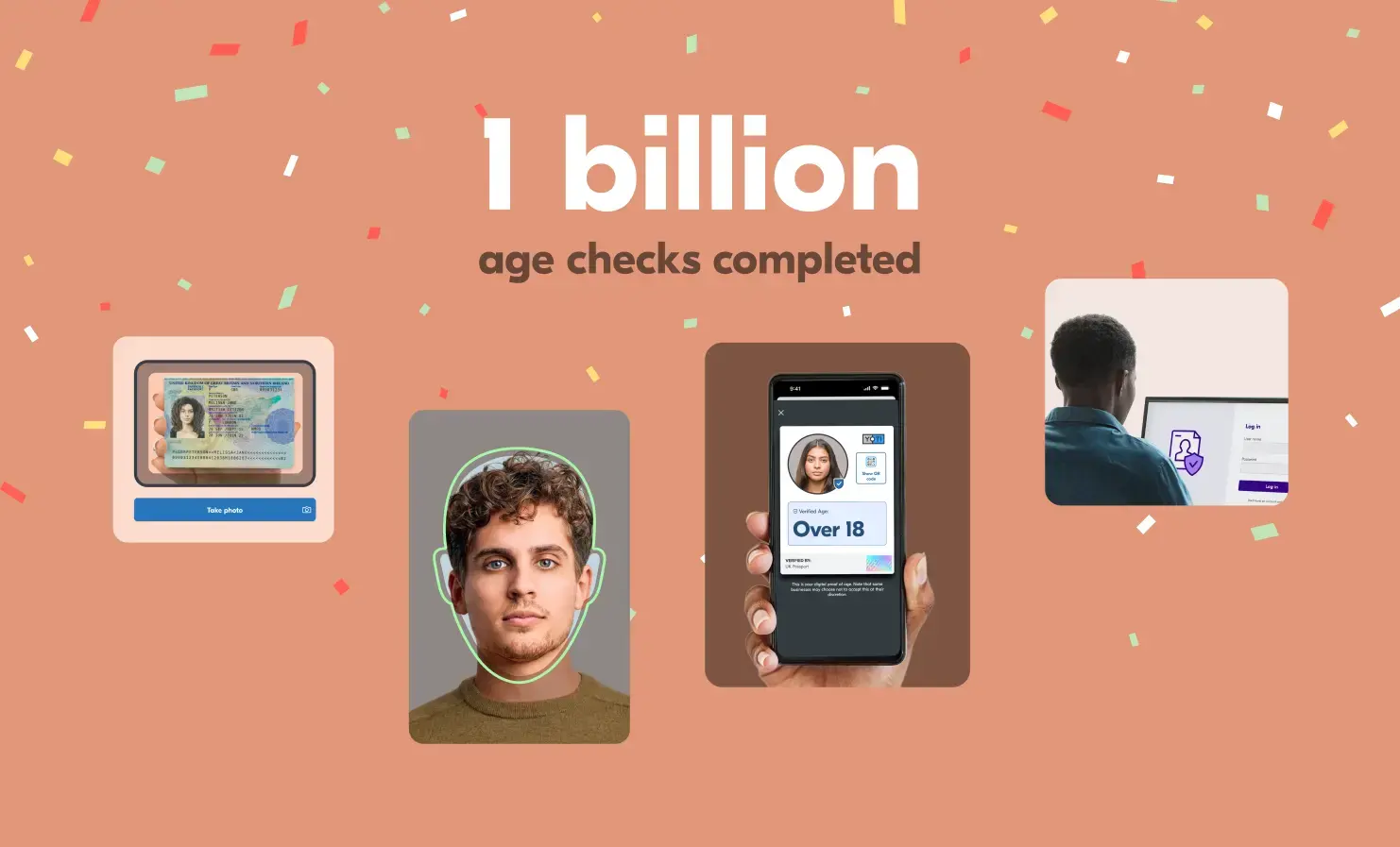
Yoti completes 1 billion age checks - and counting!
We’re celebrating a huge moment in our journey: Yoti has now completed over 1 billion age checks! When we started out, we had a simple but powerful ambition: to help people prove their age without revealing their full identity. We recognised early on that not everyone has access to a document or always feels comfortable using it. That’s why we innovated and developed facial age estimation. Reaching this milestone – across facial age estimation, Digital IDs, identity document checks and our other secure age-checking methods – shows that our technology is being used safely and responsibly around the

 Articles Nov 07, 2025
A guide to Italy’s AGCOM new age verification regulations for adult content
Italy’s new AGCOM regulations for adult content, which come into effect on 12th November, emphasise two key points. The verifier must not know which platform or site for which the check will be used. The content provider must not obtain identifying personal data of the user, only a result like: ‘user is over 18’. This is known as the double blind method – ARGOM use the term double anonymity. Secondly, verification must be robust and each session, or visit, must be age-checked. ‘One and done’ age checks are not sufficient for repeat visits. Even if a user creates an

 Articles Jul 25, 2025
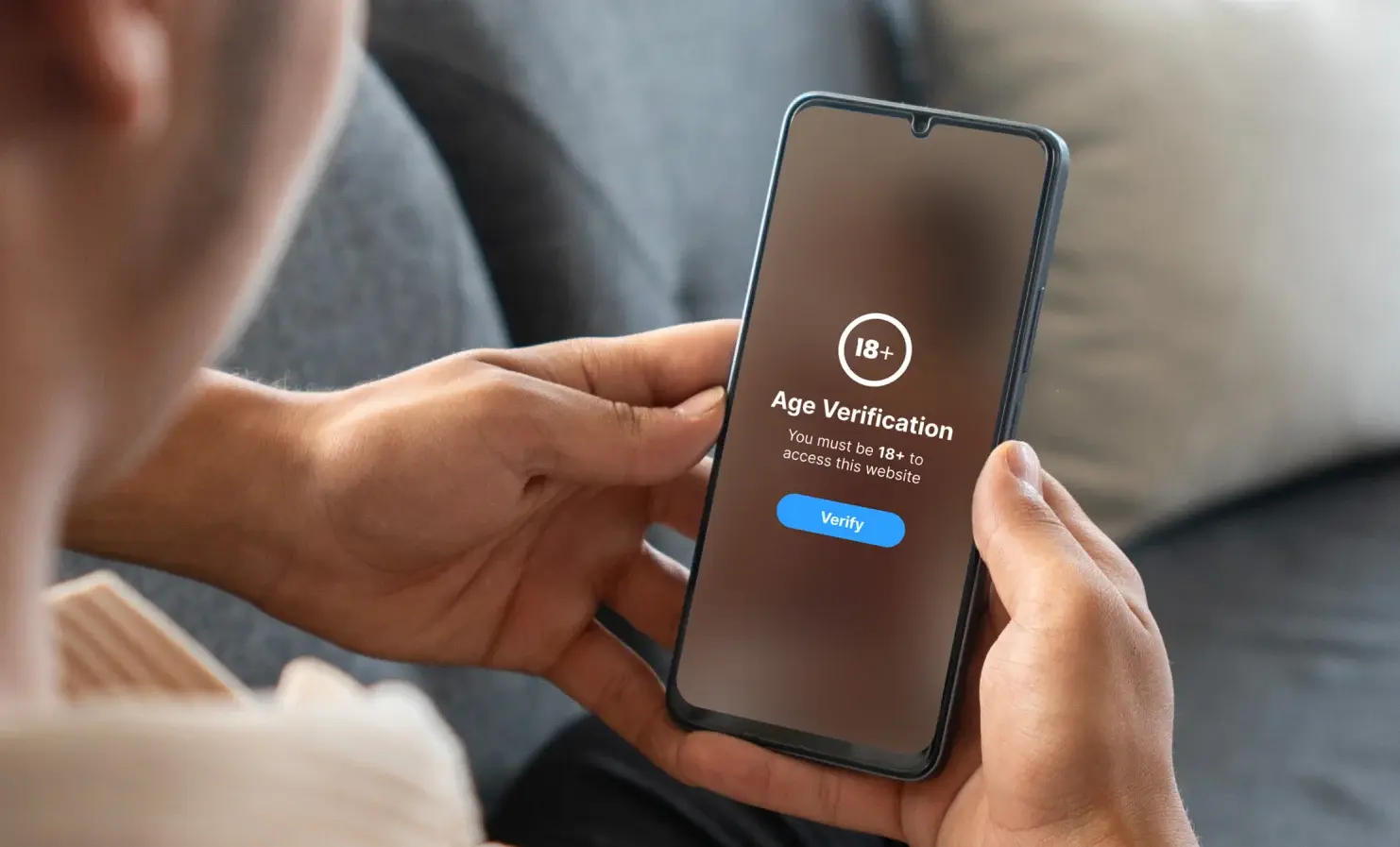
Why am I being asked to prove my age online?
If you’ve recently been asked to prove your age while trying to access a website, use an app or watch a video online, you’re not alone. The UK’s Online Safety Act is now in force. From 25th July 2025, businesses are required, by law, to take stronger steps to protect children from harmful or inappropriate content online. One of the biggest changes is the introduction of age checks for online users. We break down exactly why you’re being asked to prove your age, how it works, what it means for your privacy and how we’re helping make age checks
 Articles Jul 25, 2025
Yoti supports platforms as UK’s Online Safety Act comes into force
Today marks a major moment for the internet in the UK: the country’s new Online Safety Act officially comes into force, bringing in a new chapter of accountability for digital platforms and service providers. From social media and gaming, to porn and dating, we’re pleased to be supporting platforms with highly effective, robust and privacy-preserving age assurance solutions. The legislation requires platforms to protect children from harmful or inappropriate content, prevent underage access, and build safer digital environments. Yoti’s age assurance technology is helping platforms to meet these new standards whilst protecting user privacy and anonymity. We’ve also been

 Articles Jul 24, 2025
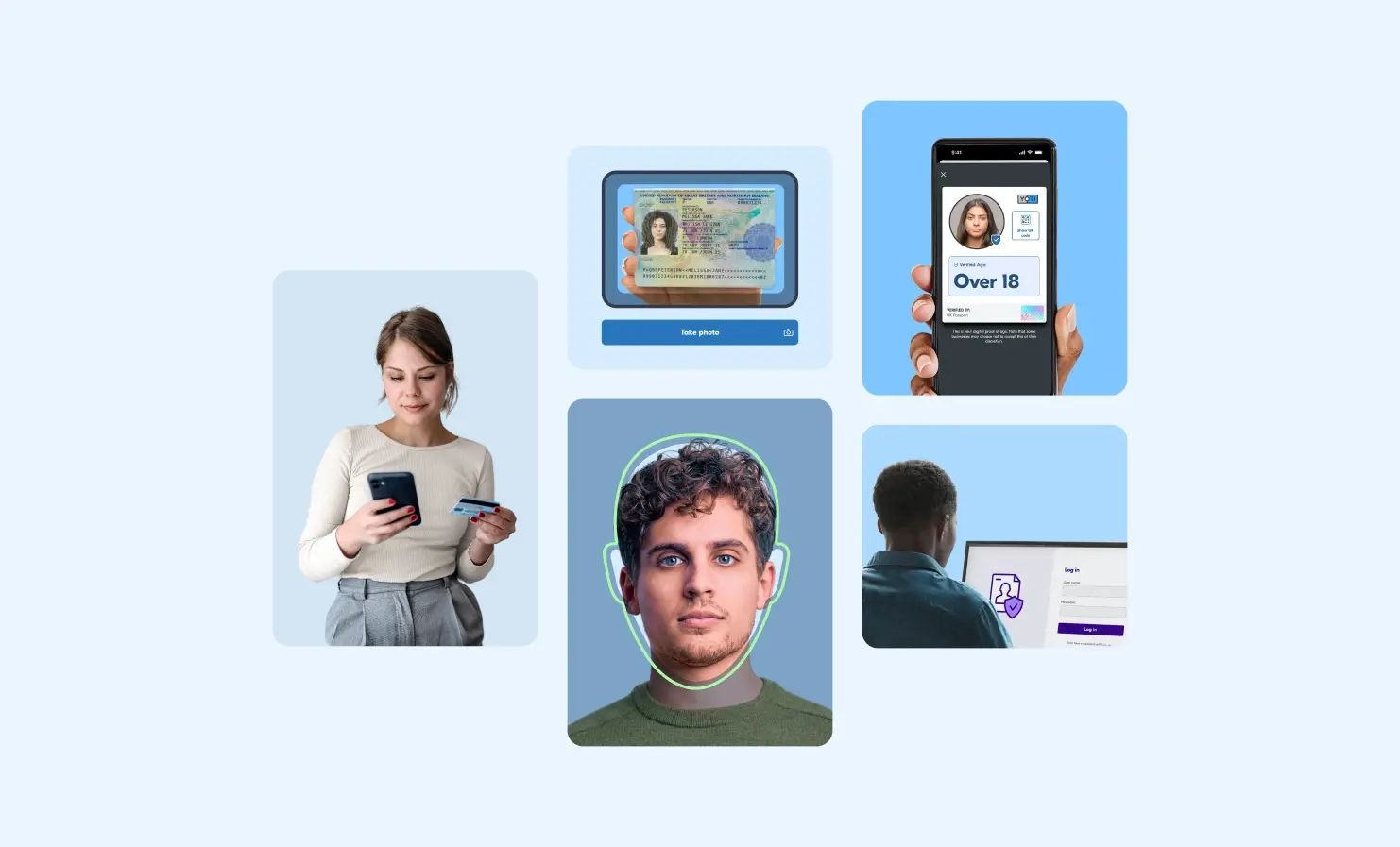
How can I prove my age online?
You may have noticed that you’re being asked to prove your age more often online. This may be when you’re signing up for new streaming services, buying something online, making a new social media account or trying to access adult content. The UK’s Online Safety Act comes into effect on 25th July. It states that ticking a box saying “I’m over 18” is no longer good enough to keep children safe online. As a result, platforms must bring in stronger age checks for their users. It’s the responsibility of each platform to decide which age checking methods to accept.