
Age checks
 Articles Mar 28, 2024
Our Fifth Regulatory Roundtable: exploring age assurance methods
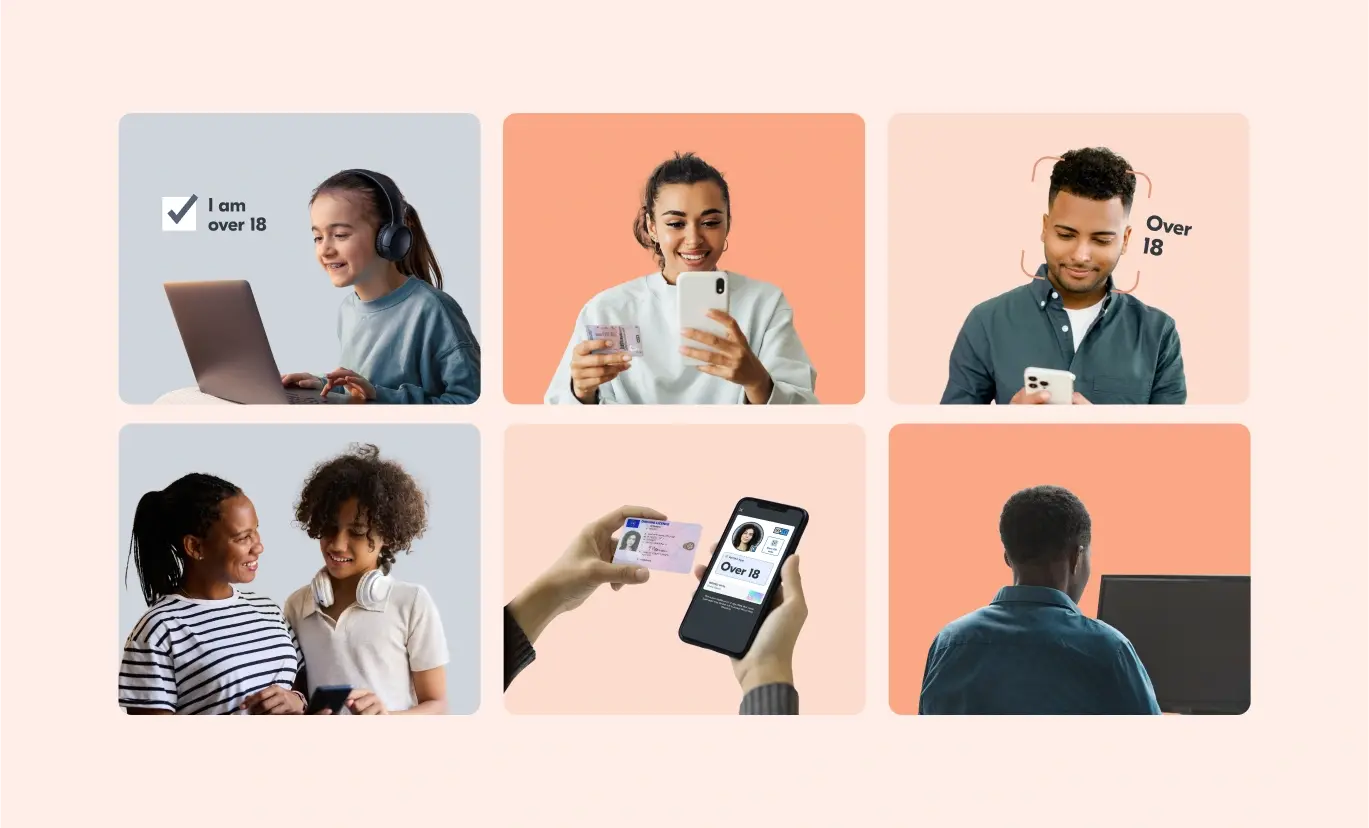
As regulators and companies consider new laws to protect children and give them age-appropriate experiences online, they are faced with the challenge of how to determine someone’s age. We explored this topic at our latest regulatory roundtable; a lively and healthy discussion, chaired by our Guardian Gavin Starks. We discussed different age assurance methods, and the progress and widespread adoption of facial age estimation. We shared key updates on our technology, how facial age estimation can be configured to work with safety buffers, and demonstrated some live use cases. The roundtable also looked at why there needs to be

 Articles Jul 11, 2023
Effective Age Verification: Going beyond reading a date of birth on an ID
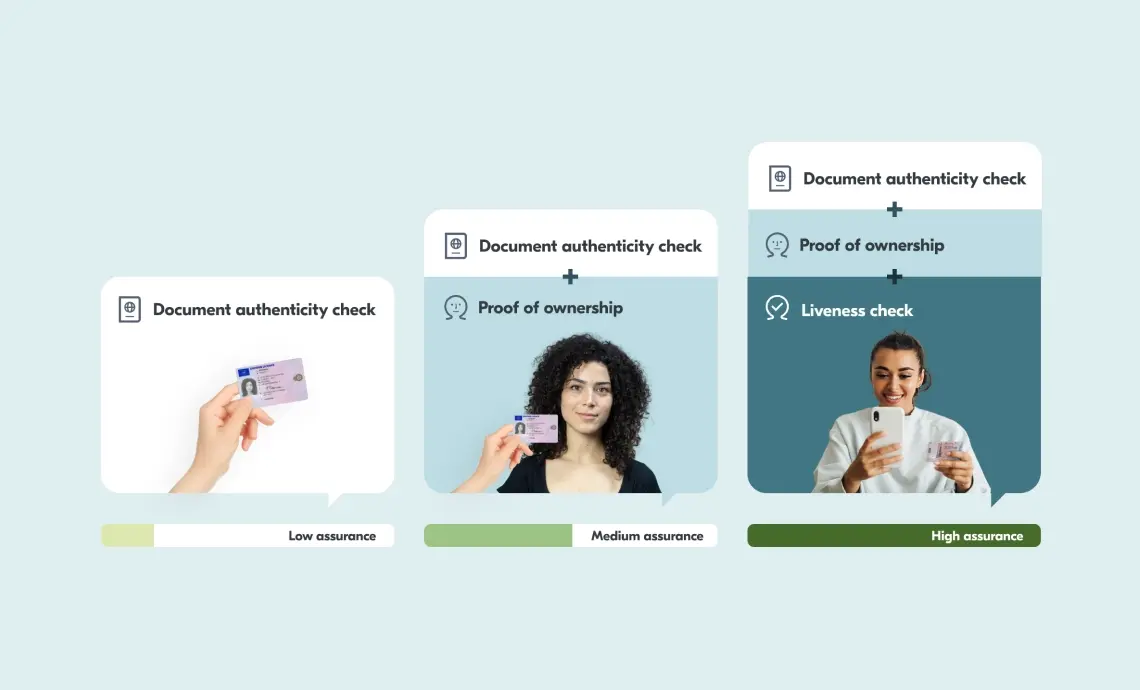
Regulators around the world are recognising that more needs to be done to protect children from harmful content online. From the Age Appropriate Design Code and the Digital Services Act to the Online Safety Act and California Age Appropriate Design Code, businesses are being required to have age-appropriate controls in place. But to do this, they need to know the age of those accessing their services. After all, if they don’t know someone’s age, they can’t protect them. This raises some important questions. How should companies verify the ages of their users? How can they ensure age verification is

 Articles Nov 10, 2022
Myth busting age verification
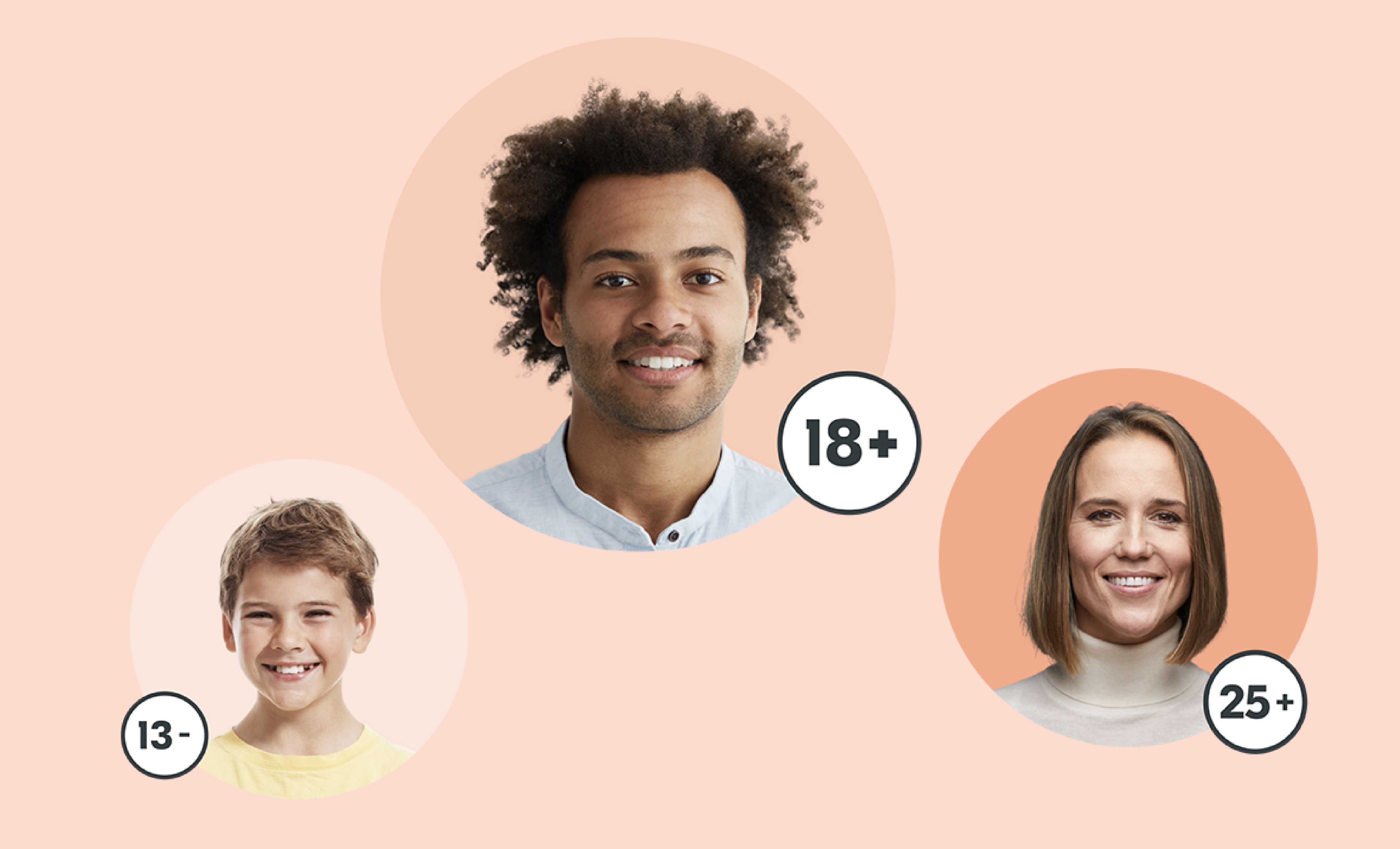
When we’re asked to prove our age we typically show an ID document, like a passport or driving licence. In some instances, we may even show a credit card. But doing so results in us revealing a lot of personal information, like our full name, address or passport number. If a business needs to know we’re the right age for something, that should just be a yes or no answer. We shouldn’t need to share any personal information to prove we’re the right age. A new chapter is beginning though. One where we can prove our age, without risking

 Articles Jun 24, 2022
Helping Instagram provide new ways to verify age
Anyone who tries to edit their date of birth on Instagram from under the age of 18 to 18 or over is asked to verify their age. They can either upload their ID (which is powered by Meta) or use Yoti’s facial age estimation technology. This was first introduced in the US and has since expanded to the UK, Europe, Brazil, India, Mexico, Canada, South Korea, Australia, and Japan. Meta’s approach to age verification In 2019, Instagram began asking people to provide their age when signing up for the platform. Since then, they’ve continued to ask people for their

 Articles Mar 10, 2022
The different ways to check age
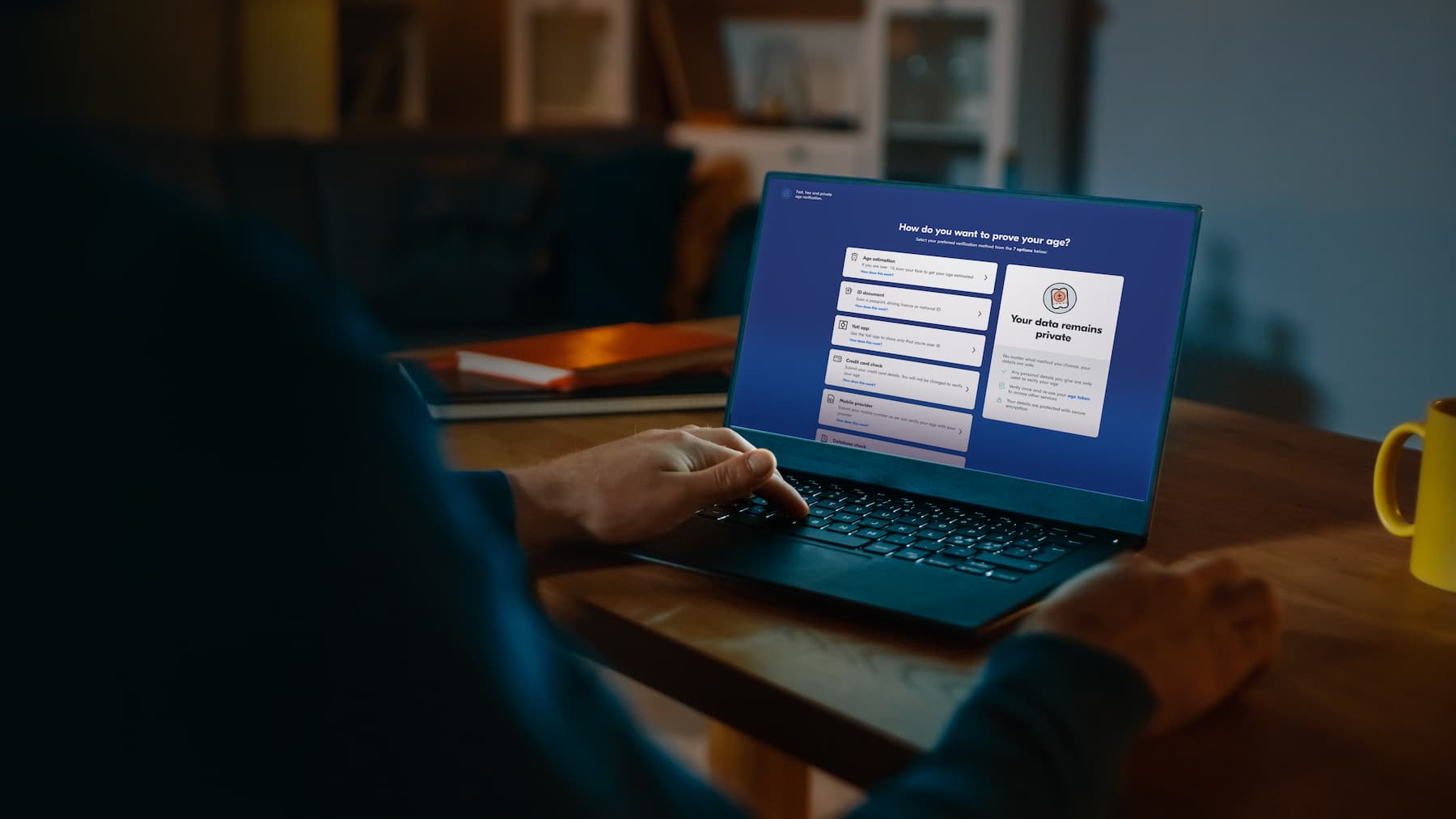
Checking age no longer has to rely on seeing an ID document. In fact, you don’t even need to see a name. With Yoti age verification, businesses can check the age of their users without processing or storing any personal data. Users choose their preferred way to prove their age, from convenient things like a selfie or an email address. We work out the age, delete the personal data and share just the result with the business. That way, businesses can be confident they’re delivering age-appropriate services to the right people, whilst protecting their privacy. Here are the different
 Articles Jan 12, 2022
Age assurance: helping young people thrive online
“Age assurance is simply a gateway to the bigger prize of building the digital world young people deserve.” – 5Rights Foundation, But How Do They Know It’s a Child? Recent advancements in regulation and technology have transformed the ways we now check how old someone is online. Until recently, designing age appropriate services for young people from the ground up didn’t seem possible, with businesses accepting that young people would simply have to face being exposed to online harm. But, thanks to intelligent age assurance technology, we now have valuable and powerful tools that can help platforms