
Business
 Articles Feb 26, 2026
Digital ID for proof of age is coming. Here’s how to check it properly.
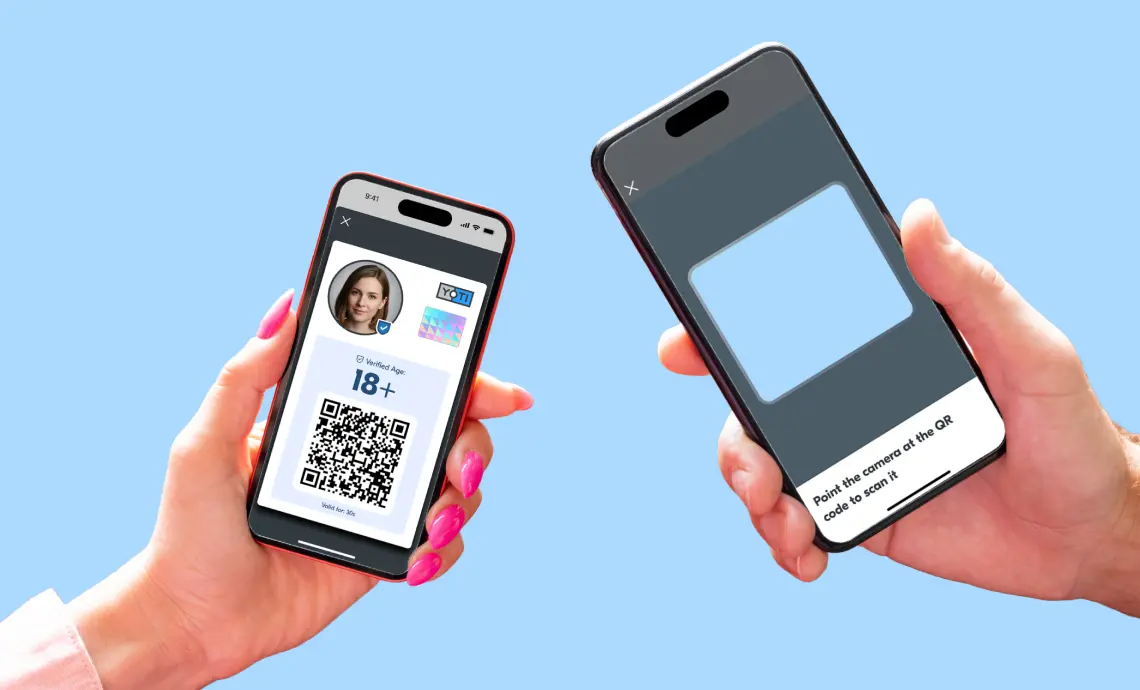
Millions of people are already using digital IDs to prove their age and identity, share their verified details with others or take more control over their personal data, all without needing a physical document. Soon, they’ll also be able to use them as proof of age when buying alcohol in licensed premises in the UK (once the mandatory licensing conditions are updated). This includes pubs, bars, restaurants, nightclubs and supermarkets. That’s a big shift in how age-restricted sales work and it’s why having a fast, reliable and low-friction way to check IDs matters for your business. How businesses

 Articles Feb 26, 2026
Updates to the UK MLRs have just changed the game for digital identity
For years, the UK has talked about digital identity as the key to faster onboarding, reduced fraud, better customer experiences, and stronger compliance. And yet, in much of regulated industry, the day-to-day reality has barely shifted. Why? Because compliance culture doesn’t move on optimism. It moves on defensible certainty. Until now, most compliance officers have been understandably risk-averse. Not because they dislike digital identity, but because they know what happens when a control fails: remediation programmes, supervisory challenge, awkward audit findings and reputational consequences. Even when the Joint Money Laundering Steering Group (JMLSG) referenced digital identity in June 2020,

 Articles Feb 23, 2026
More ways to use and accept Digital IDs in the UK
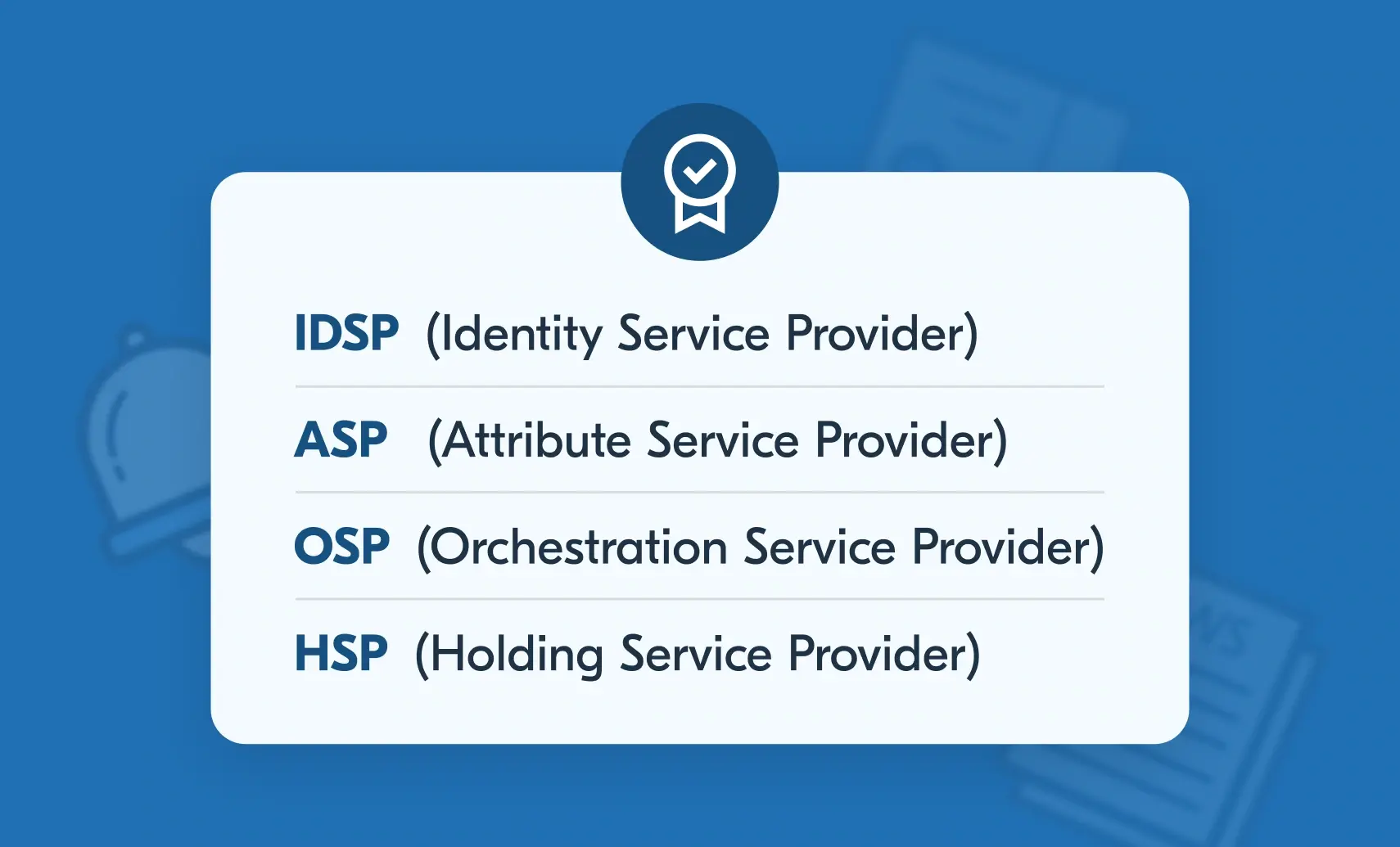
We’ve hit an important milestone in our journey to make our trusted and accessible digital IDs easier to use in the UK. Yoti has achieved Gamma (v0.4) certification under the UK Digital Identity and Attributes Trust Framework (UKDIATF). In practice, that means we’re now certified across four key roles: Identity Service Provider (IDSP) Attribute Service Provider (ASP) Holding Service Provider (HSP) Orchestration Service Provider (OSP) It confirms that Yoti meets the UK Government’s highest standards for secure, trusted digital identity services. It also means that we’re ready to support everyday use cases, like accessing age-restricted services and buying alcohol,

 Articles Feb 13, 2026
The evolution of presentation attack detection trends in 2025
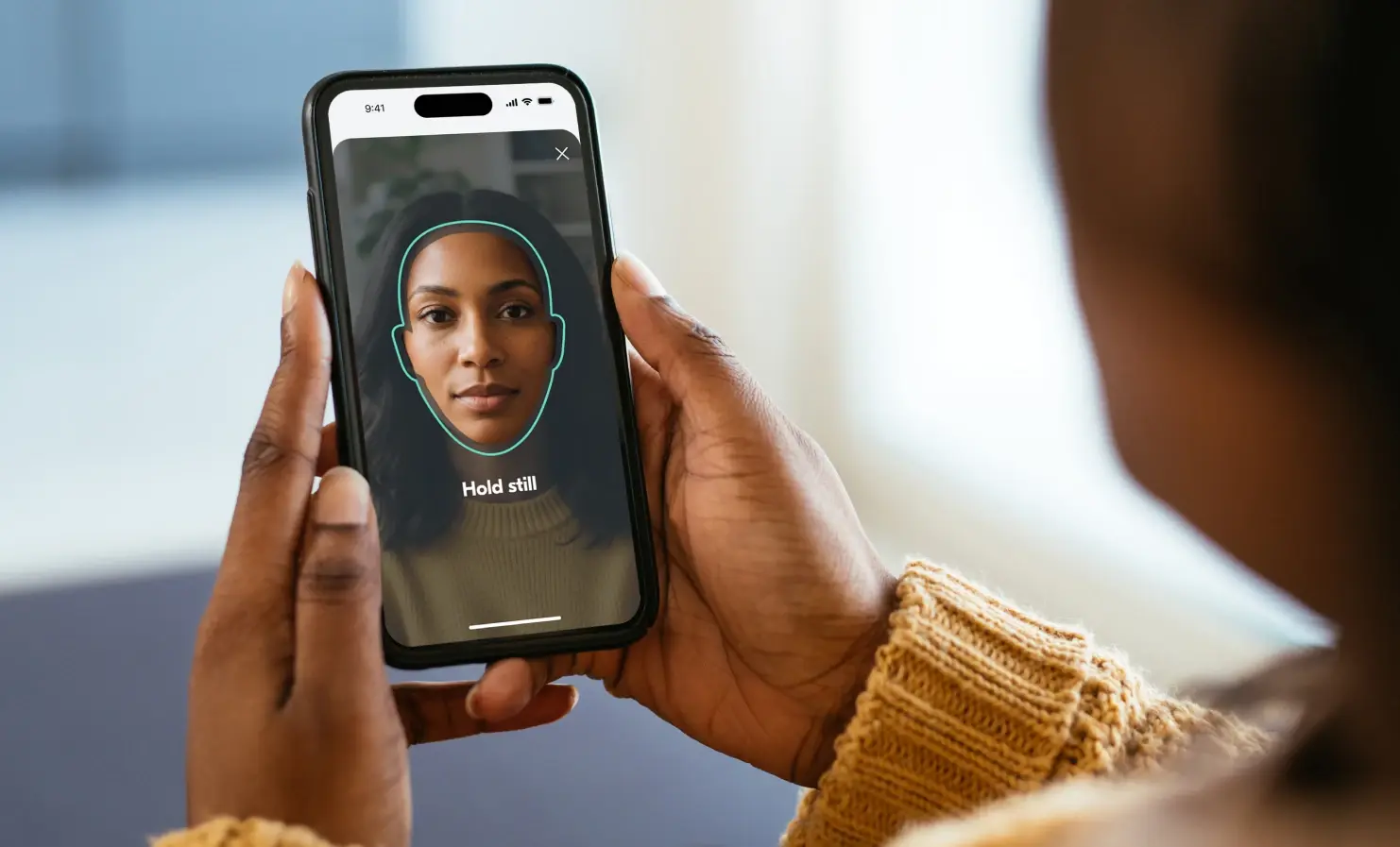
At Yoti, we perform millions of checks every week for our clients. A critical element of a robust check (whether that’s for age assurance, identity verification, digital IDs or authentication) is liveness detection, also known as Presentation Attack Detection (PAD). The purpose of liveness detection is simple but essential. It makes sure that the person being verified is physically present in front of the device camera in real time. Without liveness, checks are vulnerable to basic fraud attacks (such as using printed photos or screen replays) and more sophisticated AI attacks (like AI clones). For organisations relying on digital

 White papers Jan 27, 2026
Yoti MyFace liveness white paper
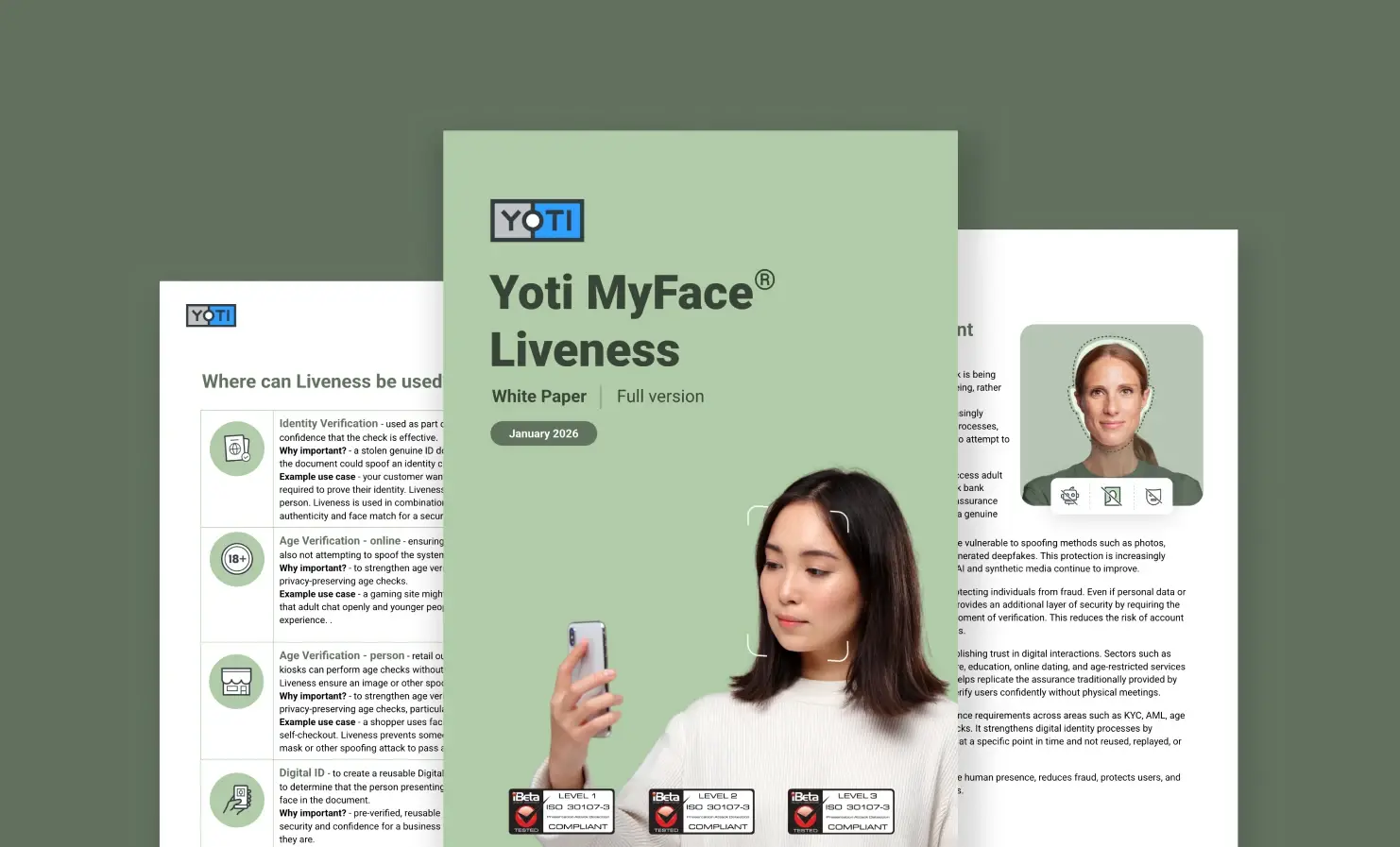
Learn how Yoti’s liveness solution can help you defeat spoof attacks Liveness detection is an essential part of any verification or authentication process. It gives you reassurance that you are dealing with a real human. Read our latest white paper on liveness to learn how Yoti’s MyFace liveness solution can help defeat presentation attacks including: Paper image Mask Screen image Video imagery Deep fake video Injection attacks Bot attacks Key takeaways from the report Yoti’s MyFace solution is iBeta Level 3 approved with 100% attack detection. Why liveness is important for verification and authentication. The difference between
 Articles Jan 22, 2026
What are liveness checks and why do they matter?
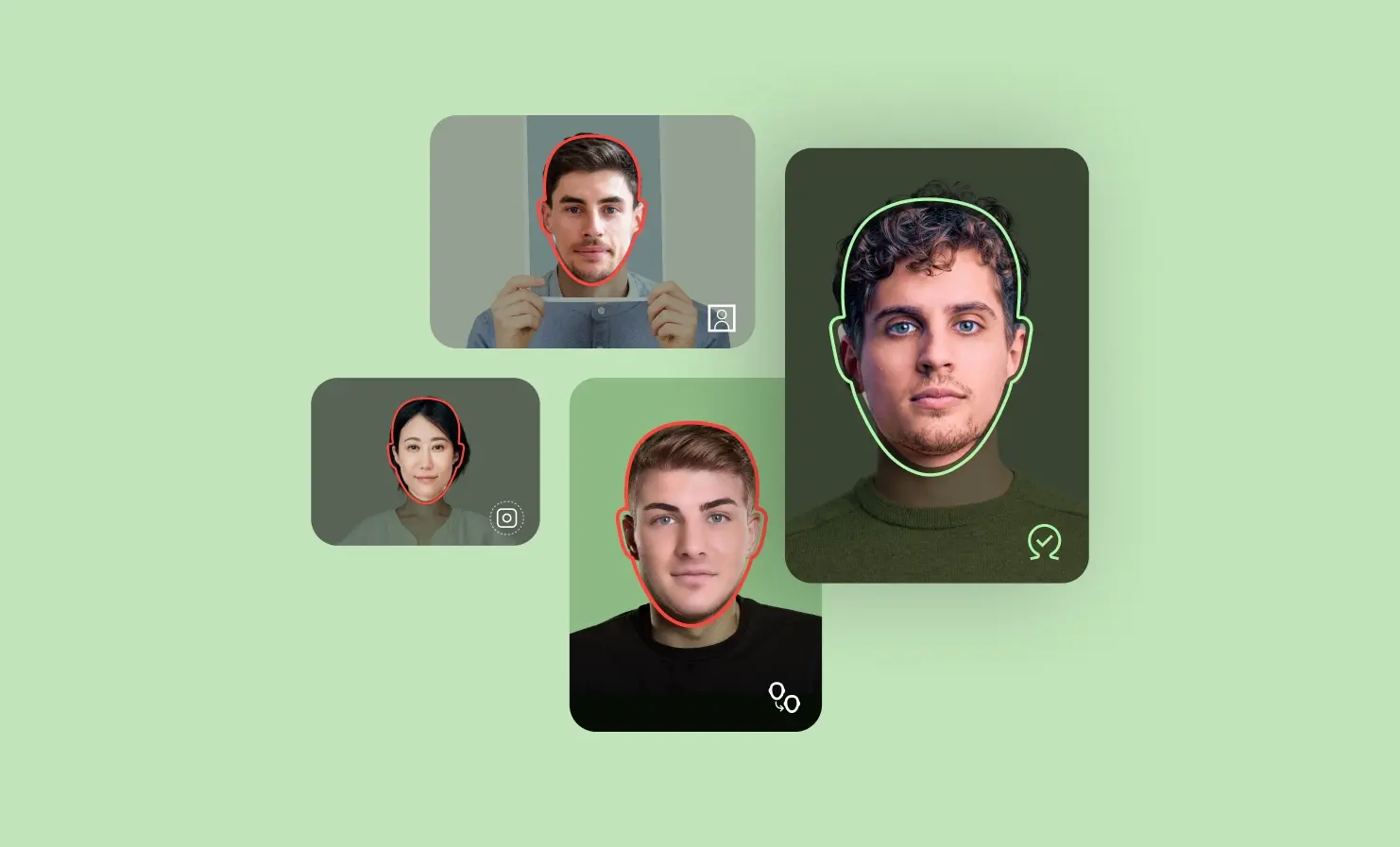
A lot of life happens online now. You can open a bank account from your sofa. Start a new job without meeting anyone in person. Prove your age with a selfie. Interact on gaming platforms. Use a dating site. Rent a flat. Meet people you’ve never seen in real life. But all of these things only work if one thing is true: there’s a real person on the other side of the screen. When that assumption holds, things feel easy. When it doesn’t, people lose money, accounts get taken over, services grind to a halt and trust disappears fast.