
As we close out 2025, we’ve been reflecting on a year that marked a clear shift for the age and identity industry.
This was the year digital IDs moved further into everyday use. The year age regulation accelerated globally. The year trust proved to be a true differentiator, and one we’ve worked hard to build and maintain. Behind the scenes for Yoti, it was also a year of significant progress, including reaching profitability and expanding our role in the identity ecosystem.
Here’s our look back on the moments and learnings that shaped our 2025.
Digital IDs moved closer to the mainstream
For years, digital IDs were seen as something coming “in the future”. In 2025, they started to become part of everyday life.
Across multiple sectors, more people than ever used digital IDs to prove their age or identity, both online and in person. In the UK, Australia and parts of Europe, digital identity wallets moved beyond pilot projects and into practical tools that people rely on. There was also a clear shift in expectations, with people increasingly wanting reusable ways to prove who they are, rather than repeating the same checks across every service.
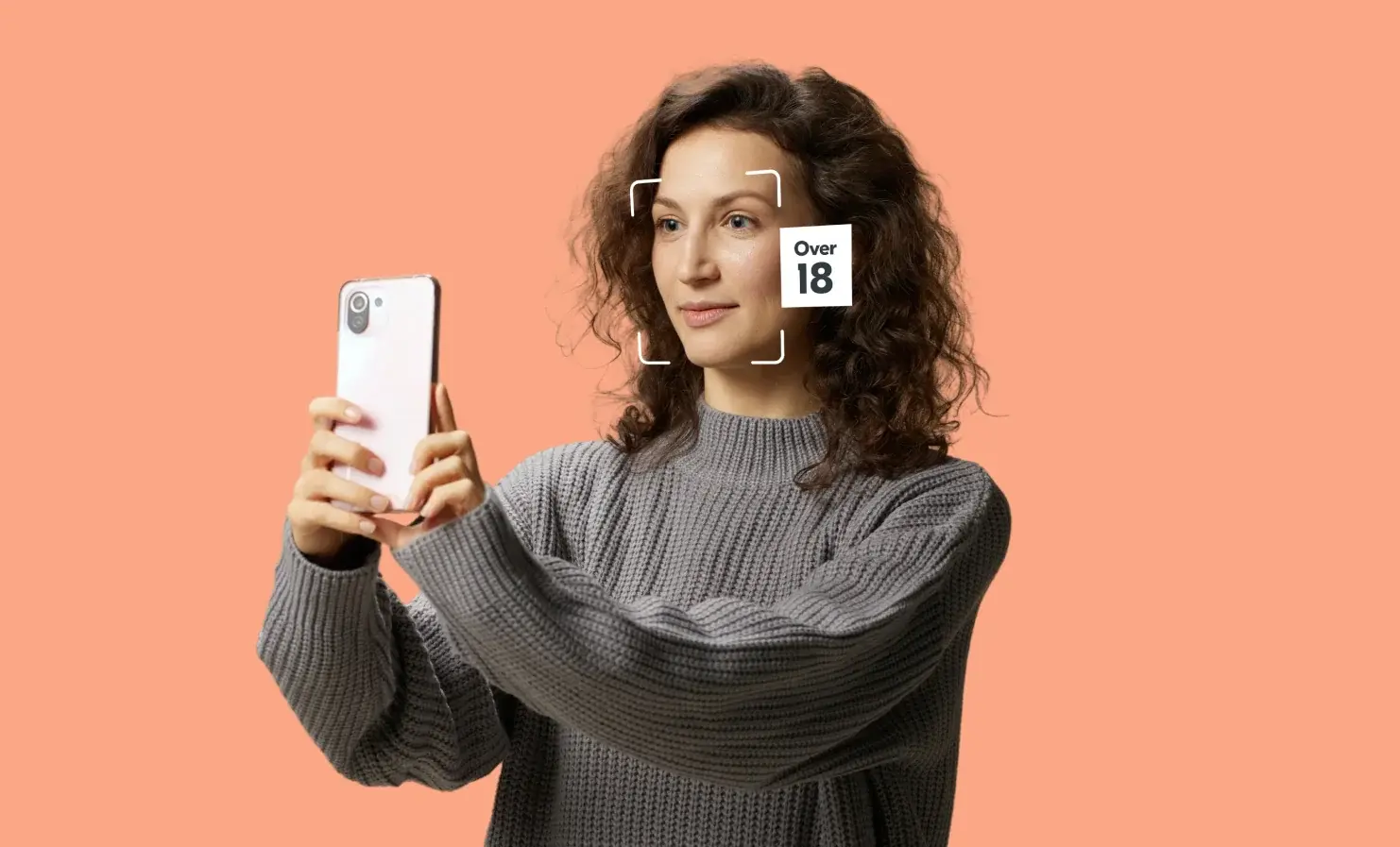
What made the difference this year was trust and usability. People increasingly understand that trusted digital IDs don’t mean sharing more data. Instead, they can mean sharing less. Rather than handing over a full document, users can prove a single fact about themselves, like being over 18, without revealing anything else.
This principle has shaped our Digital ID from the start. Giving people control over their personal data and letting them decide what to share, with whom, and for how long is fundamental to our mission. In 2025, that approach resonated more strongly than ever as public awareness of privacy and data misuse continued to grow.
Importantly, digital IDs also gained momentum because they started to align with real regulatory needs. As governments and regulators around the world clarified expectations around identity and age assurance, certified digital IDs became a practical way to meet those requirements without compromising users’ privacy.
Regulation accelerated and raised the bar
One of the biggest drivers of change in 2025 was regulation. In July, the UK’s Online Safety Act came into force, introducing mandatory age checks for certain types of online content. Similar measures appeared across Europe, the US, Australia and other regions, as regulators pushed for stronger protections for children and clearer accountability for platforms.
These changes marked a decisive shift away from weak, self-declared age checks (like ticking a box stating that you’re ‘over 18’) and towards more robust approaches. For many organisations, this meant rethinking their approach entirely.
At Yoti, we saw first-hand how regulation can act as a catalyst for better technology. Businesses weren’t only asking how to comply, they were asking how to do it in a way that users would trust, that wouldn’t collect unnecessary data and that could scale across markets.
2025 made it clear that regulation and innovation don’t have to be in conflict. When designed well, it raises standards and accelerates adoption of trusted solutions.
Our evolution into an Orchestration Service Provider
As the regulatory landscape became more complex, another reality became impossible to ignore. No single identity or age-checking method works everywhere. That’s why 2025 marked an important evolution in Yoti’s role, with us becoming an Orchestration Service Provider (OSP), certified to the Digital Identity and Attributes Trust Framework (DIATF).
Rather than requiring organisations to integrate with multiple providers individually, Yoti’s orchestration layer offers a single point of integration that can:
- Support a variety of certified digital IDs – Businesses can accept DIATF-certified identities from multiple providers, including Yoti ID, Post Office EasyID, Luciditi and other compliant providers.
- Verify government credentials – Once live, this includes GOV.UK credentials such as mobile driving licences (mDLs).
- Incorporate European digital IDs – Bringing age and identity checks to more users and businesses across borders.
In a world where compliance is no longer static, orchestration has become essential. It reflects a broader move towards adaptable, trust-led identity infrastructure.
Trust as a key differentiator
Across all of this, the one theme that consistently emerged was trust.
People want to know who they’re interacting with. They want confidence that age and identity checks are accurate. And they want reassurance that their data isn’t being misused, handled or stored unnecessarily.
This is why privacy-by-design remains central to Yoti’s approach. As trust became a baseline expectation rather than a bonus, both organisations and individuals are increasingly looking for tools that are designed with these principles from the start.
Verified Calls and the next trust challenge
The growing importance of trust also shaped one of our newer products in 2025. As generative AI and deepfakes became more convincing, impersonation during video calls emerged as a growing risk. Verified Calls addresses this challenge by allowing participants to prove their identity and/or liveness before or during a call.
It’s a simple layer of reassurance, but one that matters in high-stakes moments such as interviews, onboarding, sensitive transactions and important conversations. Knowing who you’re really speaking to makes all the difference.
Verified Calls is a good example of how trust challenges continue to evolve, and why identity technology needs to evolve with them.
Passing 1 billion age checks
Another major milestone in 2025 was reaching 1 billion age checks globally.
That number represents more than scale alone. It reflects how widely trusted age assurance is now relied on across social media, adult, retail, dating, gaming, gambling and other regulated industries.
Each check represents a real person and a real decision. Getting age assurance right has tangible consequences and it’s a responsibility we take seriously.
Profitability and long-term sustainability
March 2025 marked Yoti reaching our first EBITDA-profitable month.
This was driven by continued revenue growth and wider adoption of our products. More importantly, it demonstrated that privacy-first, trust-led technology can be commercially sustainable.
Profitability allows us to invest in innovation, regulatory readiness and ethical design for the long term, all without compromising our principles.
Looking ahead
As we move into 2026, digital age and identity checks feel less like an emerging category and more like essential infrastructure.
Digital IDs are used in everyday interactions. Regulation is clearer and more consistent. Trust is expected, not optional. And organisations need flexible, future-ready ways to navigate it all.
Our focus at Yoti remains unchanged. We build technology that empowers people and supports organisations to help create a safer, more trustworthy digital world. Thank you for being part of our journey.